
Strategic Planning
Why Does It Feel So…Off?

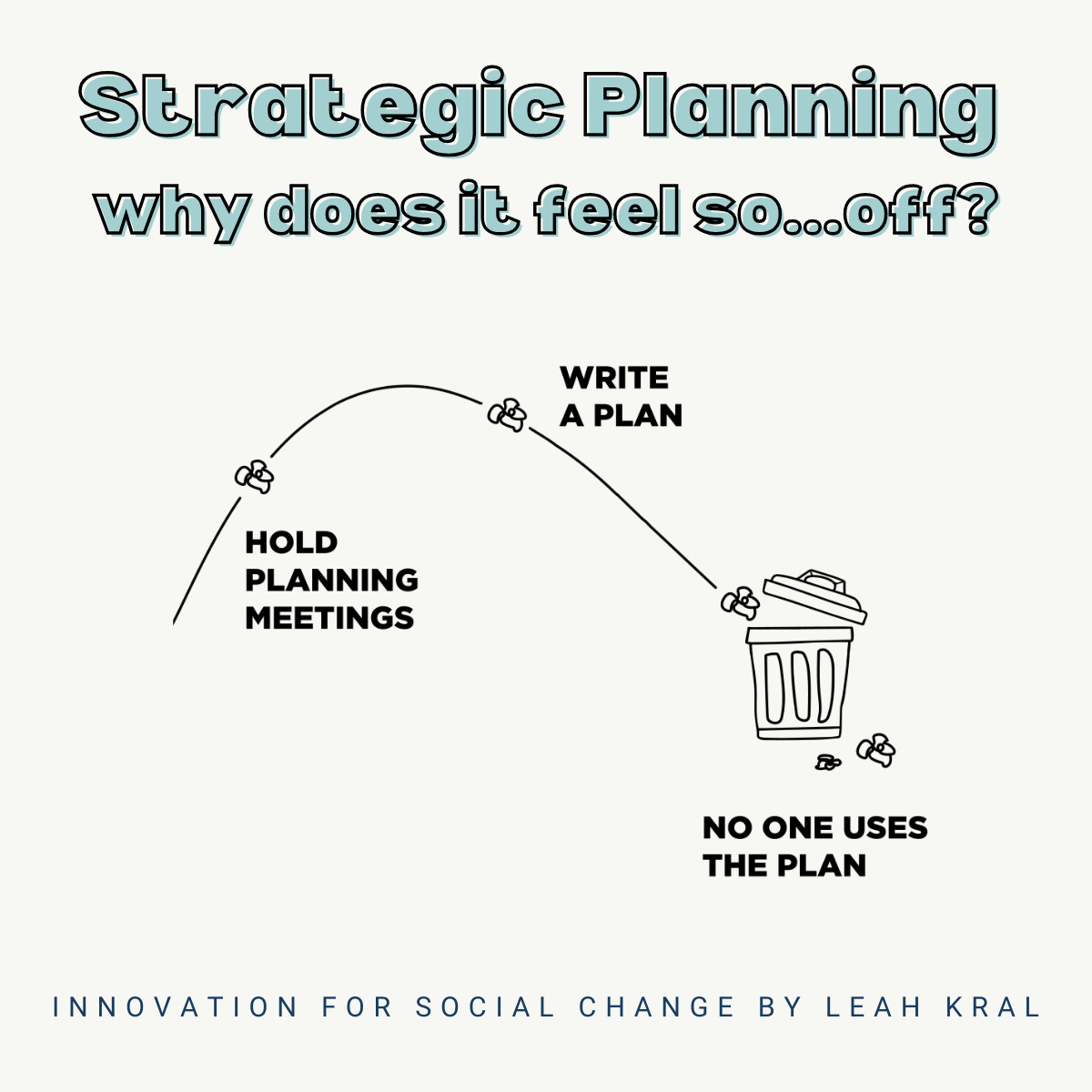
I keep witnessing this. And I’ve finally found the words for it.
An organization spends eight months on a traditional strategic plan. Interviews, surveys, board retreats, painstaking wordsmithing. Maybe a beautiful document with goals, objectives, and color-coded timelines.
And then, the plan lives in a drawer.
A strategic plan was supposed to give your organization wings. Too often it becomes a tether. Or an expensive document that everyone ignores.
So why does this keep happening?
Traditional strategic planning seems like something we should do. Like eating broccoli, we assume it is good advice, even if we don’t love it. It’s in every nonprofit management textbook. Grant makers seem to expect it. Boards assume it’s best practice. So we’ve never really questioned it. We just did it. And we assumed the quiet unease we felt was our problem, not the process’s.
Nobody questions it. And the assumptions underneath it stay hidden.
Yes, something always feels off. It’s never as energizing, as clarifying, as accelerating as it should be. The plan gets written. The binder gets made. The consultants get paid. And life goes on much as it did before.
To be fair, the intentions underlying strategic planning are valid. Clarity, priorities, accountability, direction. Nobody can argue with those goals. The problem isn’t the aspiration. It’s that the process we’ve built around those aspirations keeps falling short of them. But it doesn’t have to.
If that thought has ever crossed your mind, you’re not alone.
Does it feel like it’s getting in the way of creativity on the fly?
You sense that something is wrong. You know that when everything is pre-allocated, there’s no slack for the small experiment that might change everything. People stop experimenting. They comply. They go through the motions.
Have you ever watched a talented team member stop suggesting ideas? Not because the ideas dried up, but because the plan left no room for them?
It doesn’t have to be this way. I’ve watched teams come alive around their mission when given real clarity and real freedom. Eyes light up. Team members truly own the direction. Ideas are unleashed. I’ve seen it. And I can’t unsee it.
When COVID-19 hit in March 2020, food banks across the country faced an impossible situation almost overnight. Nobody waited for a committee meeting. Nobody pulled out a strategic plan. Frontline staff began pivoting immediately: drive-thru distributions, home delivery, mobile pantry routes. At Feeding San Diego, a drive-thru distribution served 1,200 vehicles in under an hour. What allowed those organizations to adapt so rapidly wasn’t a document. It was mission in people’s bones.

What would it look like if your team had that kind of freedom to navigate?
Does it feel like it substitutes for thinking rather than enabling it?
When a plan specifies not just the destination but every step along the way, it implicitly tells your team: we don’t trust you to figure out how to get there. Whether that’s the intent or not, the effect can be the same. People stop thinking and start reporting. They manage up to the plan rather than outward to the mission. The document substitutes for the thinking rather than enabling it. And the people closest to the work, the ones who most need clarity to act boldly, are the last to feel it.
Have you ever sat in a meeting where everyone was managing up to the document instead of actually thinking? Where the plan had become the point?
And it’s precisely in the unexpected moments where this matters most. A traditional strategic plan may guide the decisions you anticipated. But it rarely helps you navigate the ones you didn’t. The sudden trade-off, the opportunity that wasn’t in the plan, the crisis that arrived without warning. Those moments demand judgment, not a document.
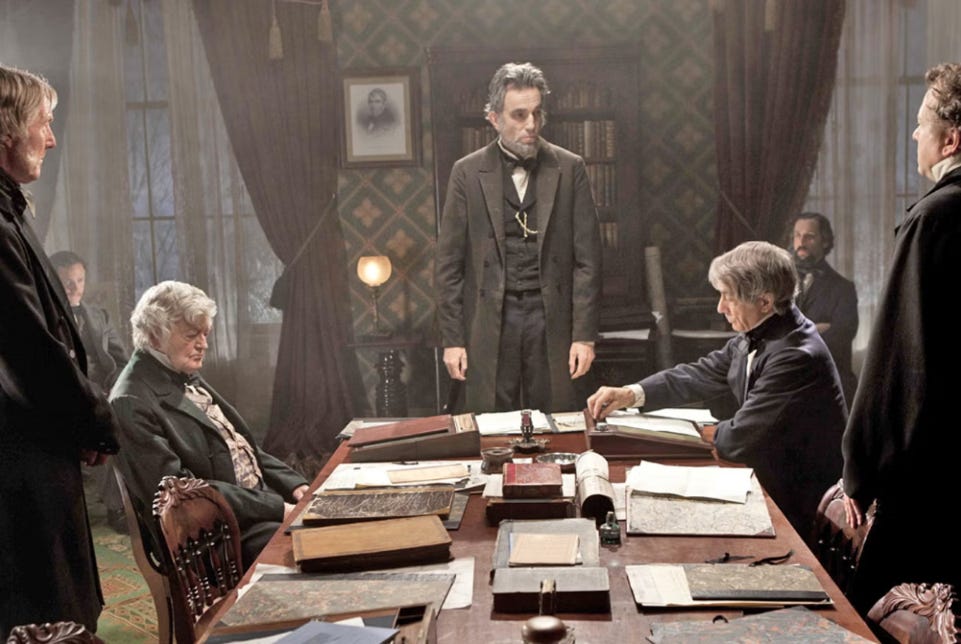
We saw a glimpse of this in Spielberg’s movie Lincoln (2012), where the president gently advised a politician:
“A compass, I learned while I was surveying, it’ll point you true north from where you’re standing, but it’s got no advice about the swamps, deserts and chasms that you’ll encounter along the way. If in pursuit of your destination you plunge ahead heedless of obstacles, and achieve nothing more than to sink in a swamp, what’s the use of knowing true north?”
Social impact work is all swamps, deserts, and chasms. The terrain never cooperates. Your people need to be equipped to navigate, not just to follow.
Does it feel like strategy lives in a document rather than in your people?
Is your strategy truly alive in your people? Or is it encased on a shelf, waiting for the next planning cycle?
Here’s a simple test: can someone on the front lines of your organization use your strategy to make a sound trade-off on a Tuesday morning without opening a document? If not, it’s probably still too complex. Simplicity, clarity, and usability aren’t nice-to-haves in strategy. They’re the whole point.
The most innovative mission-driven organizations aren’t the ones with the most detailed plans. They’re the ones clear enough about their north star that their teams feel free to make sound decisions in the moment and find new and better ways to reach it.
“Strategy should work less like a fixed blueprint and more like GPS,” advises my friend and nonprofit leader Mike Le. I like that. Clear on the destination. Constantly recalculating the route as you learn, adapt, and respond to what the community actually needs. A two-year-old concrete plan doesn’t have that agility. Neither does a binder on a shelf.
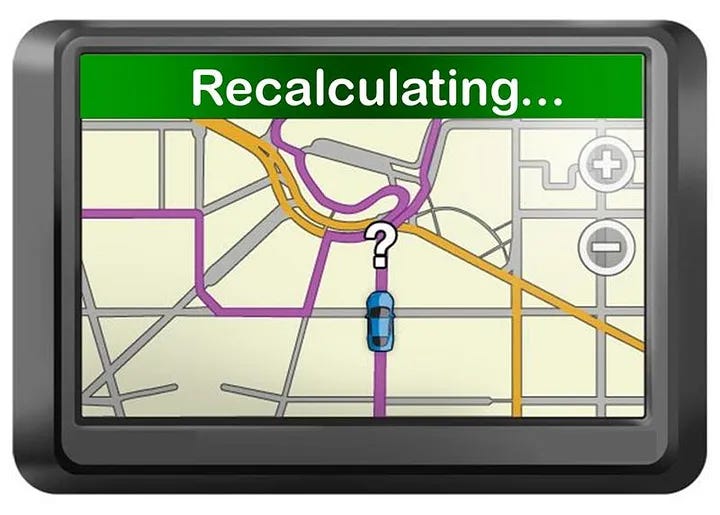
In your experience, does strategic planning feel more like a living, iterative process or a lifeless document?
Does hidden arrogance silence the most important voices?
There is, I think, a hidden arrogance baked into the architecture of traditional strategic planning. Not in the people, who are almost always well-intentioned. But in the assumptions the process makes, assumptions so embedded they rarely get named out loud. That we can predict what a complex social environment will require of us years from now. That the people at the top of the organization have more relevant knowledge than the people closest to the problem. That a document can capture everything that matters. These aren’t personal failings. They’re structural ones. And they stay structural precisely because nobody says them out loud.
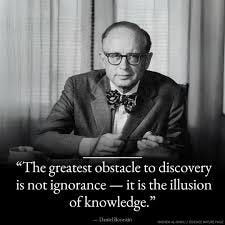
The thinking happened at the top, in a committee, with a consultant. It got transmitted downward through a document. As historian Daniel Boorstin warned, the greatest obstacle to discovery is the illusion of knowledge. Organizations that think they have a strategy because they have a document are victims of that illusion.
Have you ever watched a beautifully designed program land in a community that didn’t want it, didn’t shape it, and couldn’t use it?
And that distance from the top has a way of trickling all the way down to the communities we’re trying to serve.
A colleague shared two stories with me that I haven’t been able to forget. Details have been generalized to protect confidentiality, but the pattern they reveal is real.
A company donated tablets to a community without understanding the digital divide. Many families had no Wi-Fi at home. Children were left searching for a signal at the library, McDonald’s, or Starbucks to complete their homework. The plan looked generous on paper.
A medical device company identified a healthcare gap in a developing country and offered innovative technology to patients for free. But they never involved local stakeholders. The result: local healthcare professionals lost patients and income. And because training stayed only with foreign volunteers, the technology sat unusable until the next group of volunteers arrived. The plan looked innovative on paper. The strategy was never in the people.
This keeps me up at night. We go into this work because we care deeply about the people we serve. And yet the very process we use to organize that caring can end up putting distance between us and them.
So what would it look like to do this differently?
What if your team woke up on Monday morning energized by the mission? Not executing someone else’s document, but exercising their own judgment, creativity, and problem-solving in service of something they deeply believe in? That kind of clarity exists. I’ve seen it. And it looks nothing like a binder on a shelf.
Clarity, priorities, accountability, direction. Those are worth fighting for. The question is whether the process we’ve inherited is the best way to get there. Or whether there’s something better waiting to be designed.
I’m writing to my community of the fed up and the fired up. The ones who know something is broken and can’t stop believing something better is possible.
💬 I’m curious what your experience has been. What worked, what didn’t, and what do you wish had been different? Tell me in the comments. I read every one.
As a consultant who helps orgs with strategic planning, you bring up some very good points. Too often, the strategic plan becomes wall art.
I like the analogy (and use it myself) that a strategic plan is akin to a GPS system—leading you to a destination. It shouldn’t limit you, but guide you (how else do you know where you’re going or when you’ve “arrived.”).
https://heynonprofitleader.substack.com/p/hey-nonprofit-leader-whats-keeping-1ff?r=3h366z&utm_medium=ios
I worked for over 30 years in various nonprofits and not one of them ever used the strategic plan they developed and paid a lot of money for!