
Are You Ignoring Power Imbalances?
When a Workshop Participant Called Me Out


🎤 November is National Entrepreneurship Month, and it’s worth remembering that social change has always been driven by social entrepreneurs: people who see problems differently and refuse to accept “that’s just how things are done.” 💡 But what happens when encouraging innovation collides with the reality of workplace power dynamics? 🤔 Recently, a workshop participant forced me to confront this tension directly, and her challenge changed how I think about building cultures of innovation.
The Interview Question That Sparked A Great Conversation
🗣️ I was providing a workshop on nonprofit innovation at the Keystone Conference a few weeks ago, talking about the importance of speaking up, even when uncomfortable: a core principle of building innovative cultures. ✨ In the true spirit of innovation, I invited participants to disagree with me at any point during the session. 💚 I was delighted when they took me up on it, and we had a vibrant, challenging discussion.
🔍 To build a culture of innovation in nonprofits, I shared an interview question I use: “Tell me about a time you challenged the status quo or disagreed with a supervisor. How did it turn out?”
💭 In my experience, this question reveals whether someone will speak up when they see something that could be done better, even when it’s uncomfortable. 🎯 It shows me their character, their courage, and their problem-solving approach.
🚧 A thoughtful participant expressed some healthy skepticism. She asked: How realistic is it to expect people to challenge authority? Aren’t we ignoring real power imbalances?
✅ It was a great question: one that forced me to clarify what I’m actually looking for.
What I’m Really Screening For
❌ I’m not screening for people who only speak up when it’s safe or when they hold power. 🎯 I’m not looking for people who succeed every time they challenge something. That’s not realistic, and it’s not the point.
🌟 I’m looking for character, courage, integrity, and creative problem-solving.
📋 When someone answers this question, I listen for several things:
🤝 How they approached the disagreement. Did they build a case? Seek allies? Consider timing? These details reveal their strategic thinking and emotional intelligence.
🔄 What they tried when the first approach didn’t work. Innovation isn’t about getting it right the first time: it’s about persistence and adaptation.
💙 How they maintained relationships while advocating for change. The best change-makers don’t burn bridges; they build coalitions.
📚 What they learned, even if they didn’t convince others. Growth mindset matters more than a perfect win record.
The Best Answers Aren’t Always Success Stories
🏆 Here’s what I’ve learned: The best answers I’ve heard aren’t always success stories. 📖 They’re stories of people who found creative ways to influence without authority. 💡 Who learned from push-back and revised their approach. 🔧 Who created stronger arguments and built buy-in over time. ⏰ Who knew when to escalate and when to try a different angle.
⚡ These are the people who change organizations from within, even when they don’t have formal power.
Personal Agency and Duty
💪 Here’s what I believe: We may not always be in positions of power in our organizations, but we always have personal agency. 🎯 And in the nonprofit sector especially, we have a duty to try our best. 💙 Program participants are counting on us: not to be reckless, but to use whatever influence we have to advocate for better outcomes.
⚠️ Because if we only reward speaking up when you have power, we’re not building cultures of innovation: we’re reinforcing the status quo.
🔓 The interview question isn’t perfect. 🚪 But it opens a door to hear how someone navigates the messy, complicated work of making change happen in imperfect systems. 🔍 It reveals whether they see themselves as agents of change or passive participants in the status quo.
A Question for You
❓ As we celebrate National Entrepreneurship Month, I want to hear from this community: How do you balance encouraging innovation with acknowledging real workplace power dynamics? 🤔 Have you found ways to challenge the status quo without formal authority? What’s worked? What hasn’t?
🌱 Social entrepreneurship isn’t just about starting organizations: it’s about changing them from within. 💫 And that requires all of us to think differently about power, voice, and courage.
💬 I’d love to hear your thoughts in the comments.
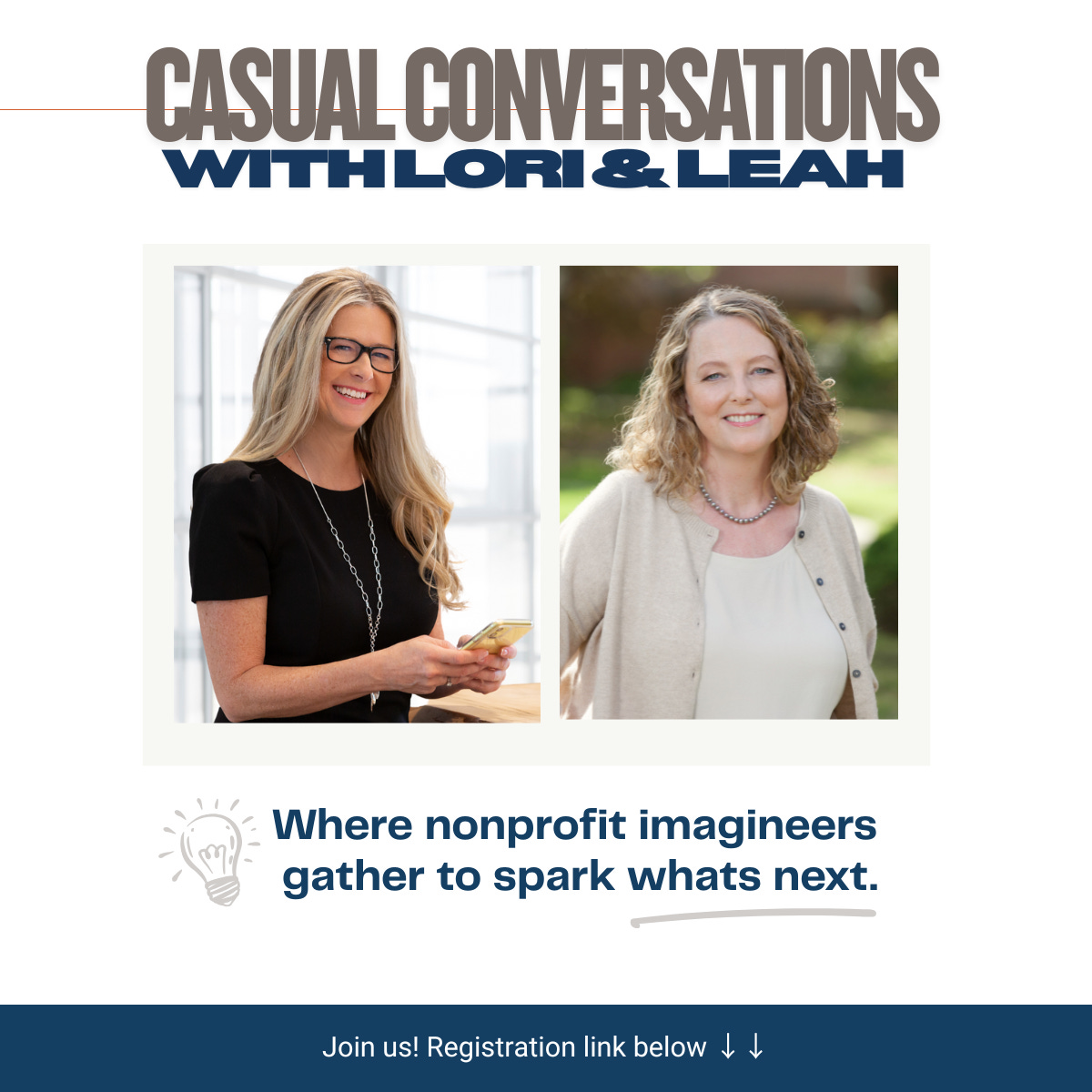
🪴 Community is so important. We encourage each other. Together we are stronger, together we stand up for those we serve, especially the vulnerable.
🛠️ If you are looking for a small group setting to build community, Lori Stanley and I host “Casual Conversations with Lori and Leah.” It’s free. You set the agenda. Here is what recent participants put on the agenda:
🔷Board member qualifications, roles and criteria for decision making
🔷How to improve donor confidence in your systems and processes
🔷Working with partner nonprofits and within ecosystems
🔷Considerations for launching an NGO in a particular country
☕ We keep it small and intimate and limit it to six participants.
📌 Join us! Our next session is Thurs Dec 4, 12-1 EST. Register here at this link.